

Our new student laboratory “Future Foods” is launching!
What will our food look like in the future? In our student laboratory, students explore the topic of nutrition in depth and investigate what actually makes food “healthy.” The focus is on a detailed examination of macronutrients, which serves both as an introduction to and a review of the curriculum topic of food chemistry.
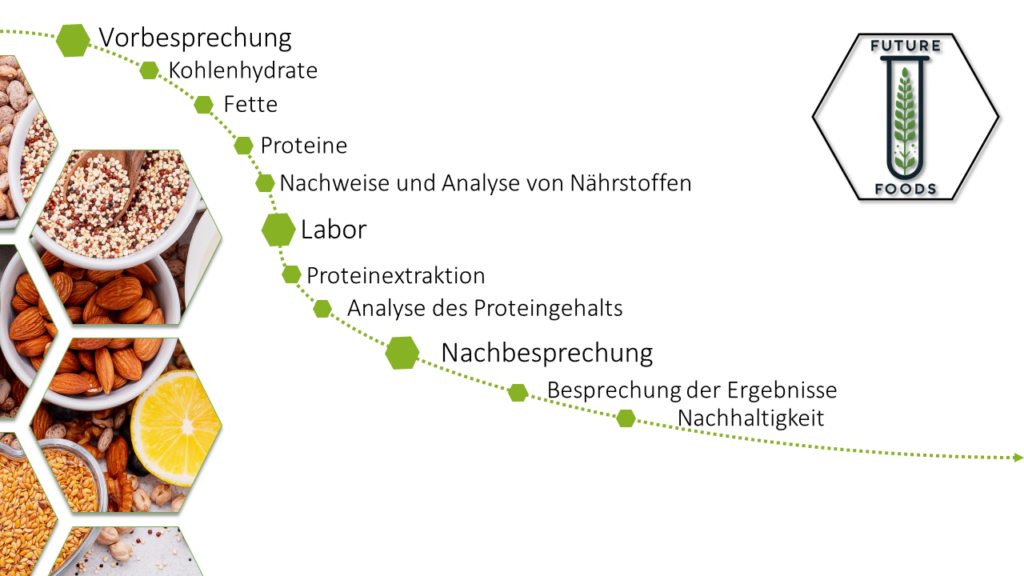
n the laboratory, we place special emphasis on precise scientific work. Working in small groups and supported by our staff and digital tools, students extract proteins from various legumes. They then determine the protein content using a dilution series and spectroscopic analysis. The results are compared and analyzed together.
Another important aspect we address is sustainability. At the end of the unit, we discuss the findings together and reflect on the impact of our food consumption on the environment.
FAQ
The program is aimed at upper secondary school chemistry classes at grammar schools or at chemistry project seminar groups (P-Seminars).
Familiarity with laboratory behavior and the handling of laboratory equipment is desirable. Macronutrients and micronutrients, as well as photometric analysis methods, are introduced and discussed as part of the student laboratory.
Which curriculum-relevant chemistry topics are covered?
- Composition of food (macronutrients and micronutrients)
- Qualitative detection of food components
- Quantitative analytical methods (photometry)
- Opportunities for discussion on sustainability
The Future Foods sessions take place on Fridays. The entire program runs from 9 a.m. to 1 p.m.
Students should wear closed-toe shoes and long trousers for the visit. Long hair must be tied back. On site, we will provide lab coats and safety goggles for both you and your students.
The program is free of charge.
Contact
Markus Stocker
Chair of Chemistry Education Research
Research associates
Address
Contact
Welcome to KOALa!
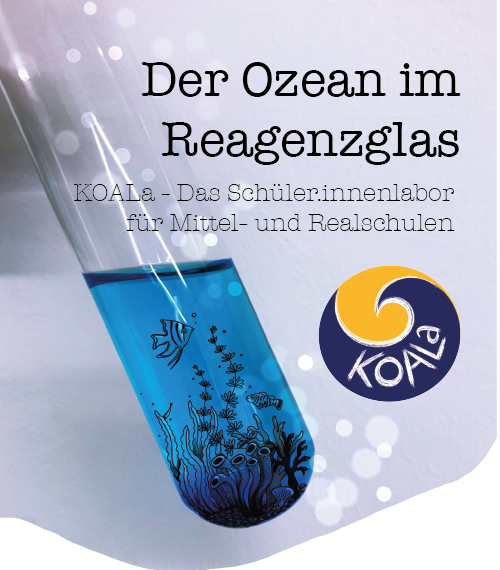
The Ocean in a Test Tube: The german aronym KOALa stands for “Investigating the Effects of Climate Change on Oceans and Atmosphere in the Student Laboratory“ and focuses on the problem of ocean acidification as its central theme
Because green turns to yellow, there’s not much left of the coral reef: The lab day begins with an experimental investigation of this mystery, providing the framework for understanding the causes, consequences, and chemical basics of the core topic – ocean acidification. Students get hands-on lab experience working independently in small groups, using tablets as aids, guided by our expert staff, with plenty of “aha” moments included!
Problem identified – but how do we solve it now?
In the second part of the lab day, the students act as Ocean Designers, modeling the ideal conditions for an ocean free from acidification problems. The necessary background information – focusing on the chemical and physical influences on the solubility of carbon dioxide in water – is experimentally gathered at various stations.
In a plenary session, the developed design proposals are discussed and evaluated until the key question arises: What options does each individual have to contribute their part of solving the problem?
The KOALa student laboratory was developed as a part of the doctoral project “Aktivitätsgebundene Erfassung motivationaler Faktoren im Schülerlabor” by Xenia Schäfer .

FAQ
The program is aimed at entire schoool classes or groups from lower secondary education. Our target groups are:
- grades 9 and 10 of secondary modern schools (Realschule) and grammar schools (Gymnasium)
Prior knowledge of laboratory equipment, pH values, and indicatiors is desirable but will be refreshed or introduced again as part of the lab program.
- pH-values and indicators
- Limewater test
- Insight into the carbon cycle
- Influences on the solubility of carbon dioxide in water
Students are required to wear closed-toe shoes and long trousers for the visit. Long hair must be tied back.
On site, we will provide you and your students with lab coats and safety goggles.
The offer is free of charge.
Registration form:
Currently, all KOALa Laboratory dates are fully booked. The registration form is therefore temporarily closed. As soon as new dates for the second school term of 2026 are available, we look forward to receiving your registration again!
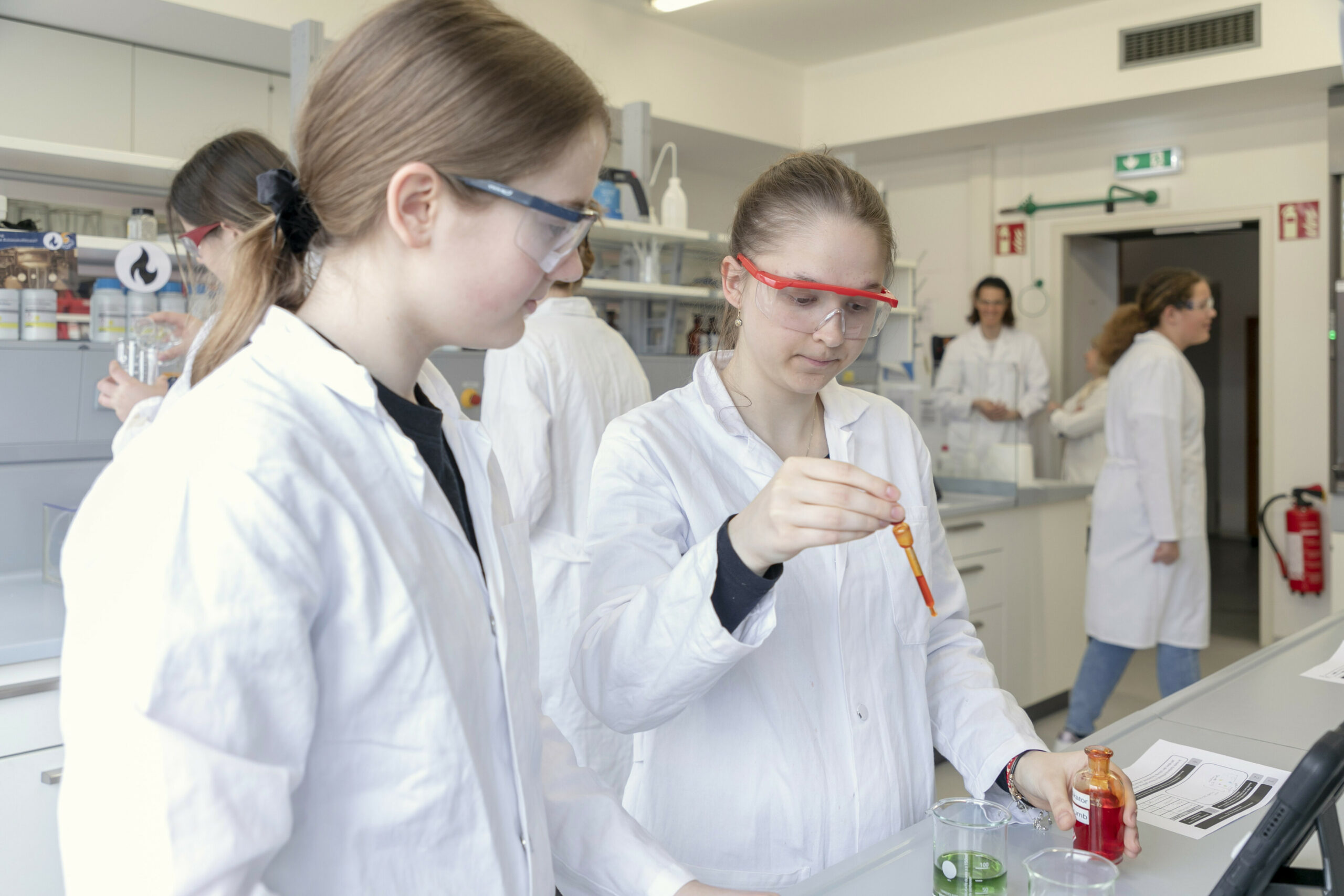
Impressions from KOALa
 1/14
1/14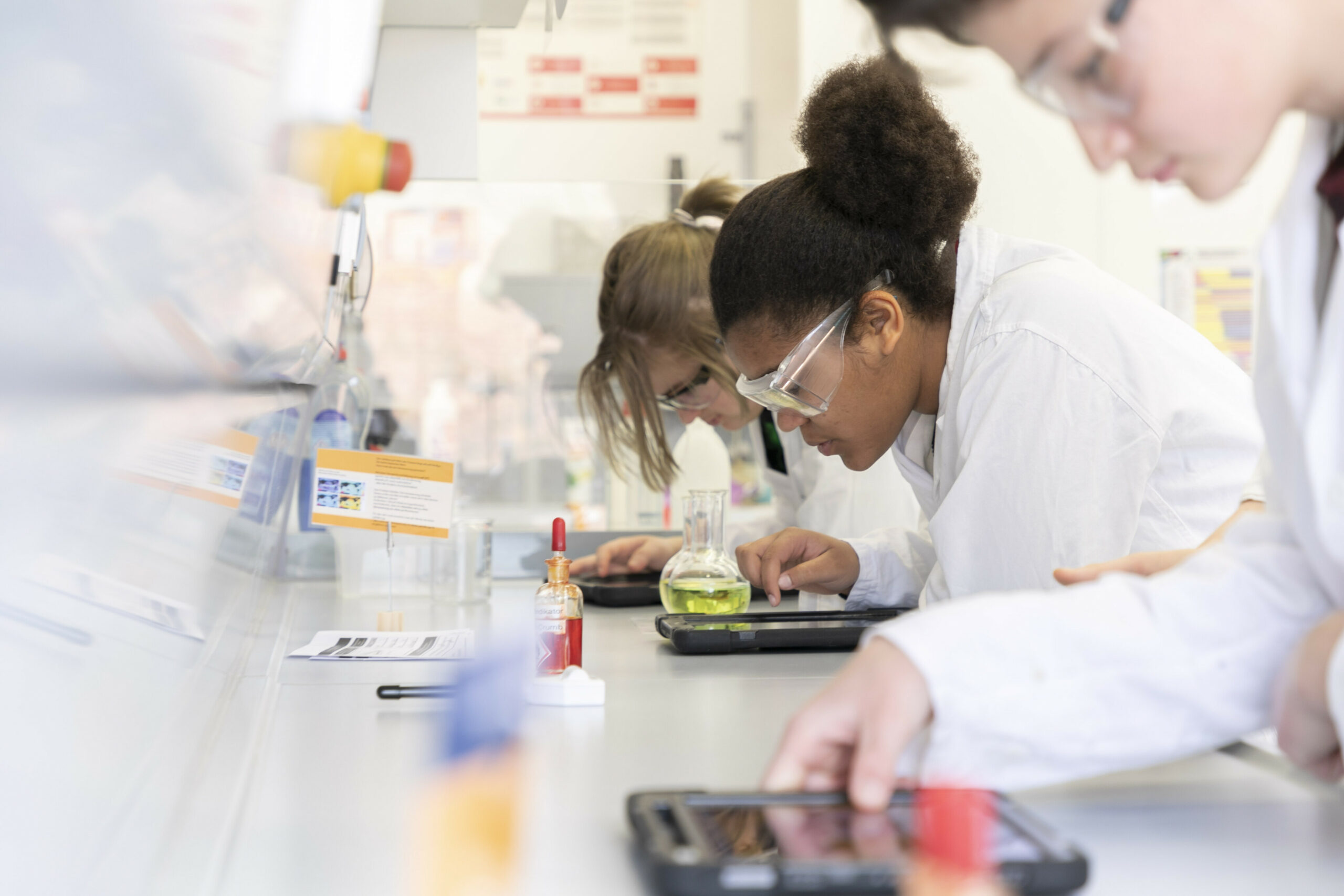 9/14
9/14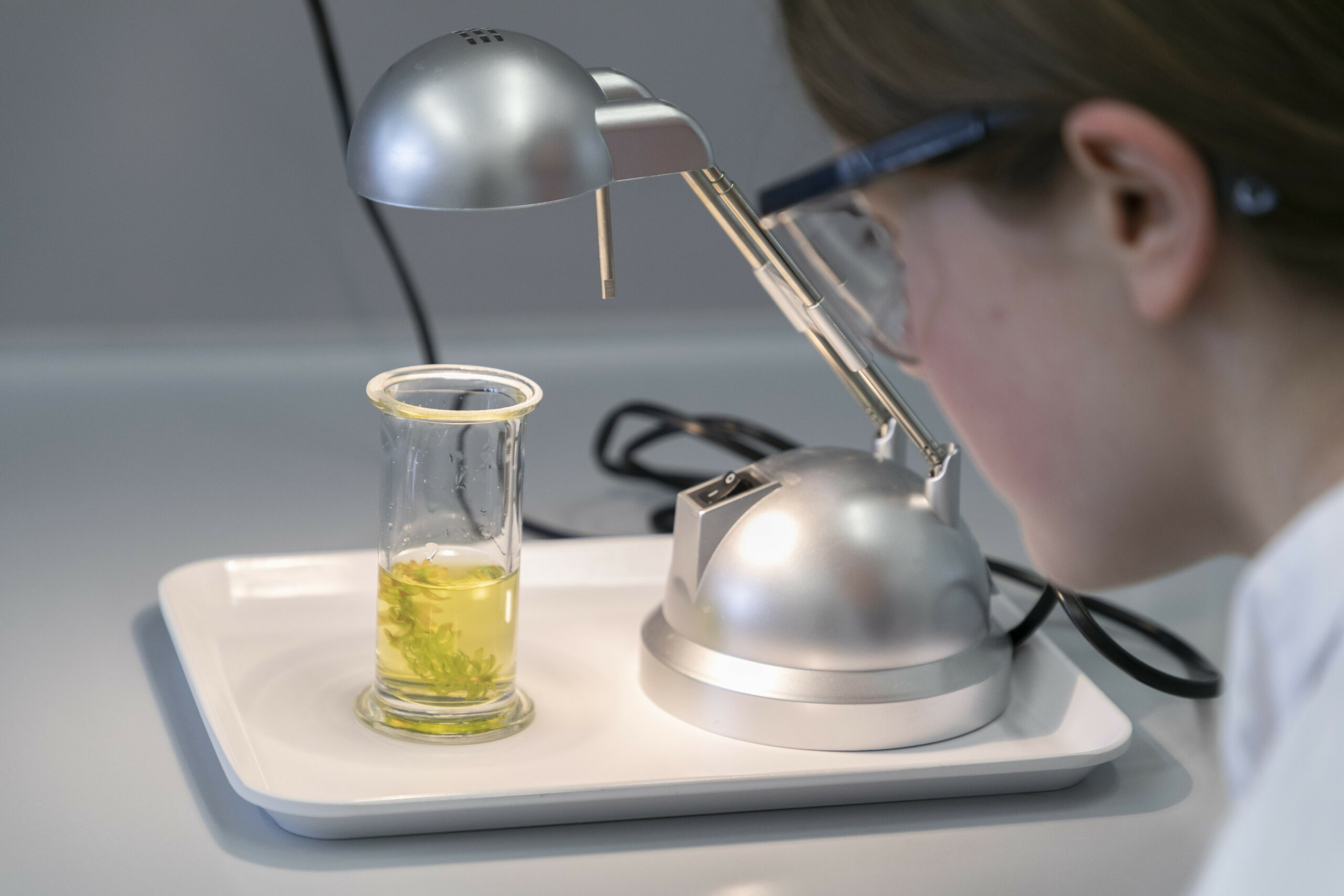 8/14
8/14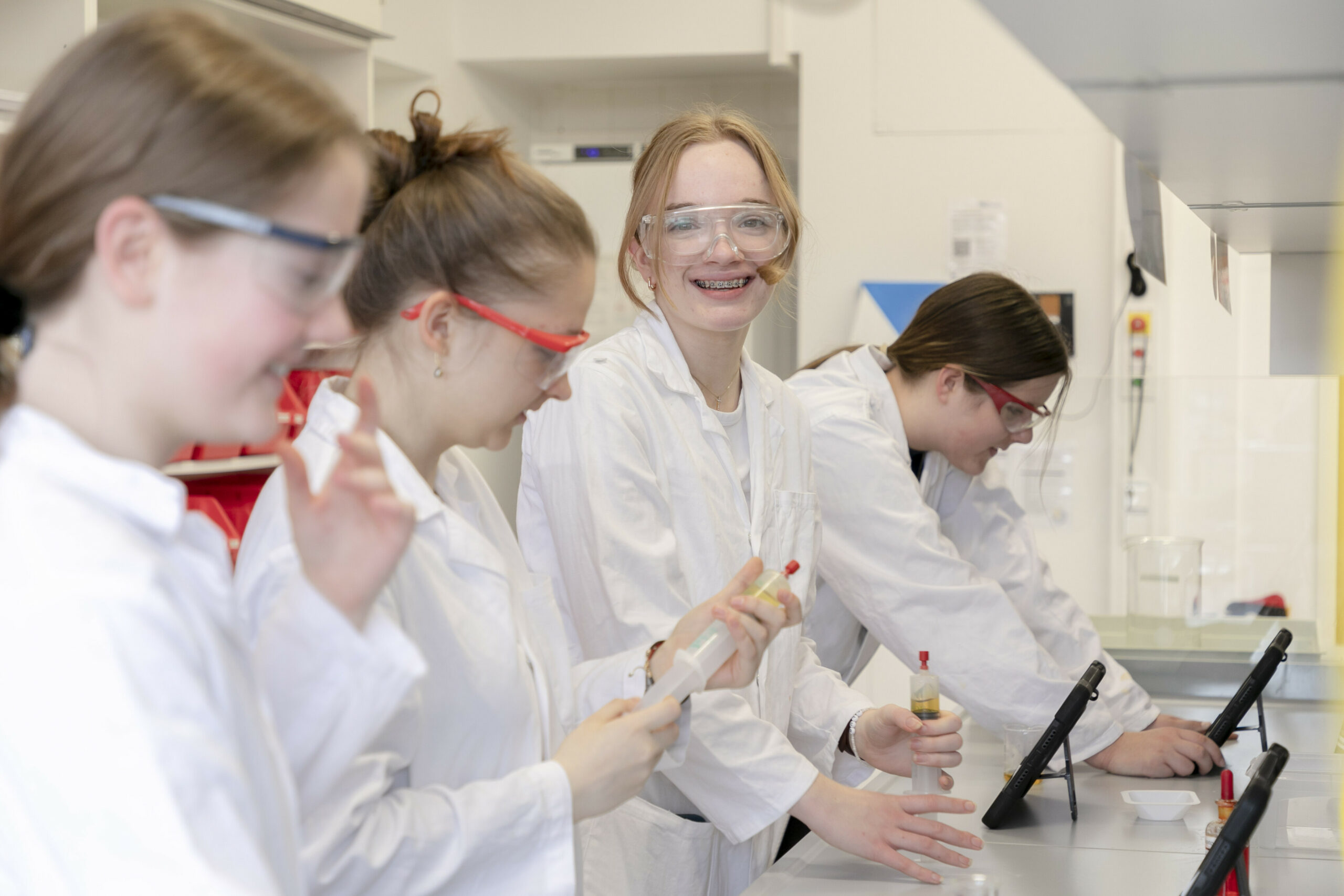 14/14
14/14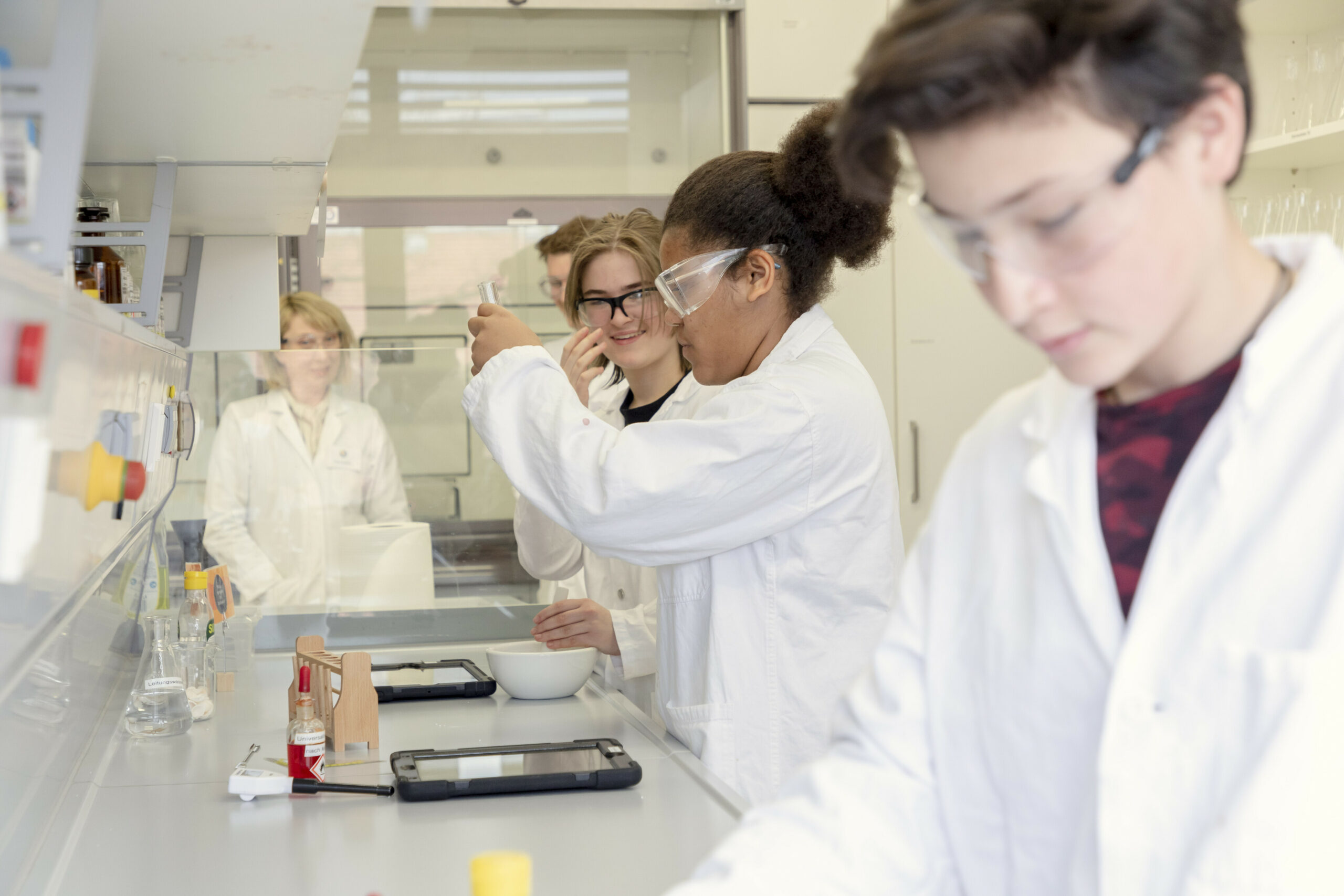 5/14
5/14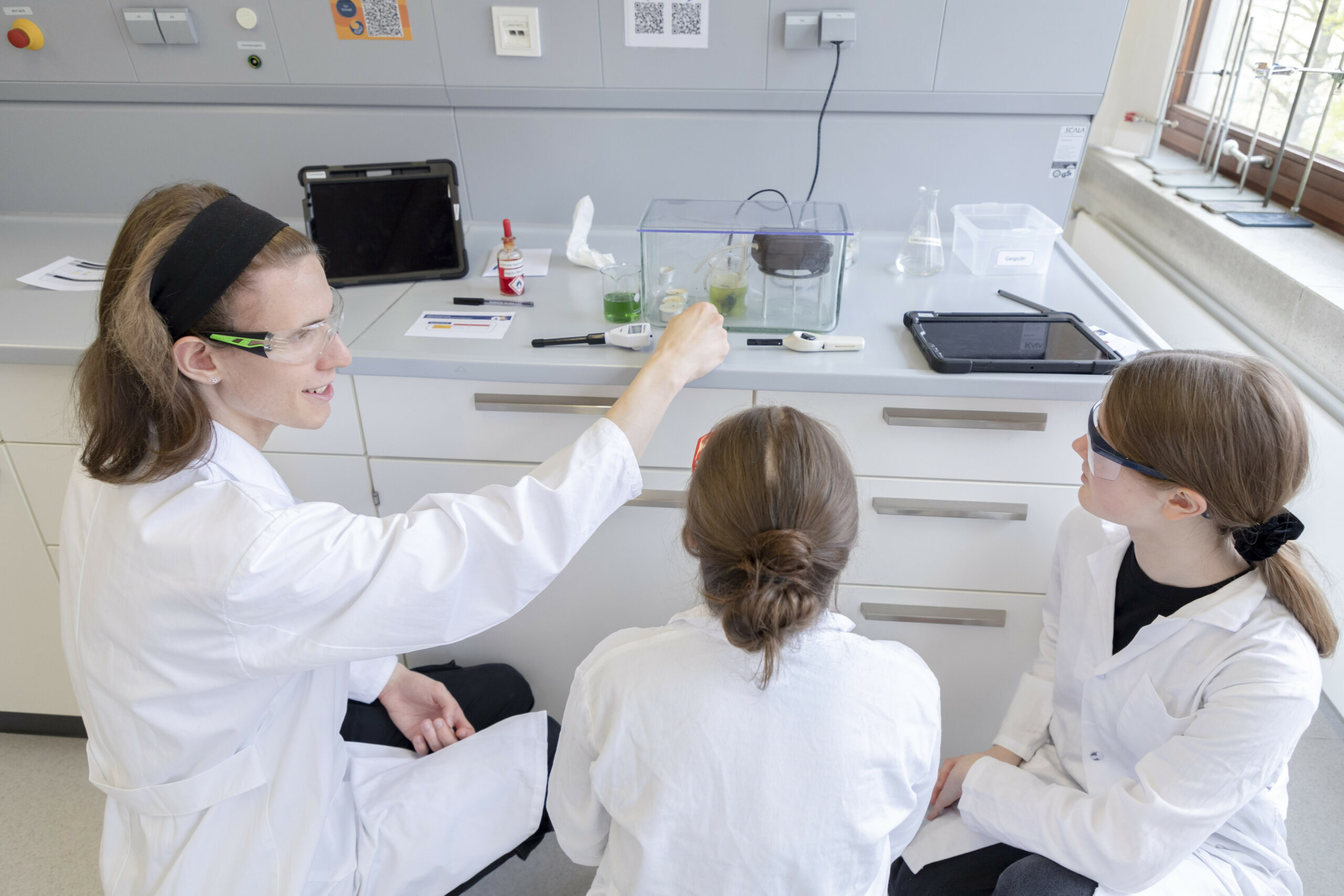 10/14
10/14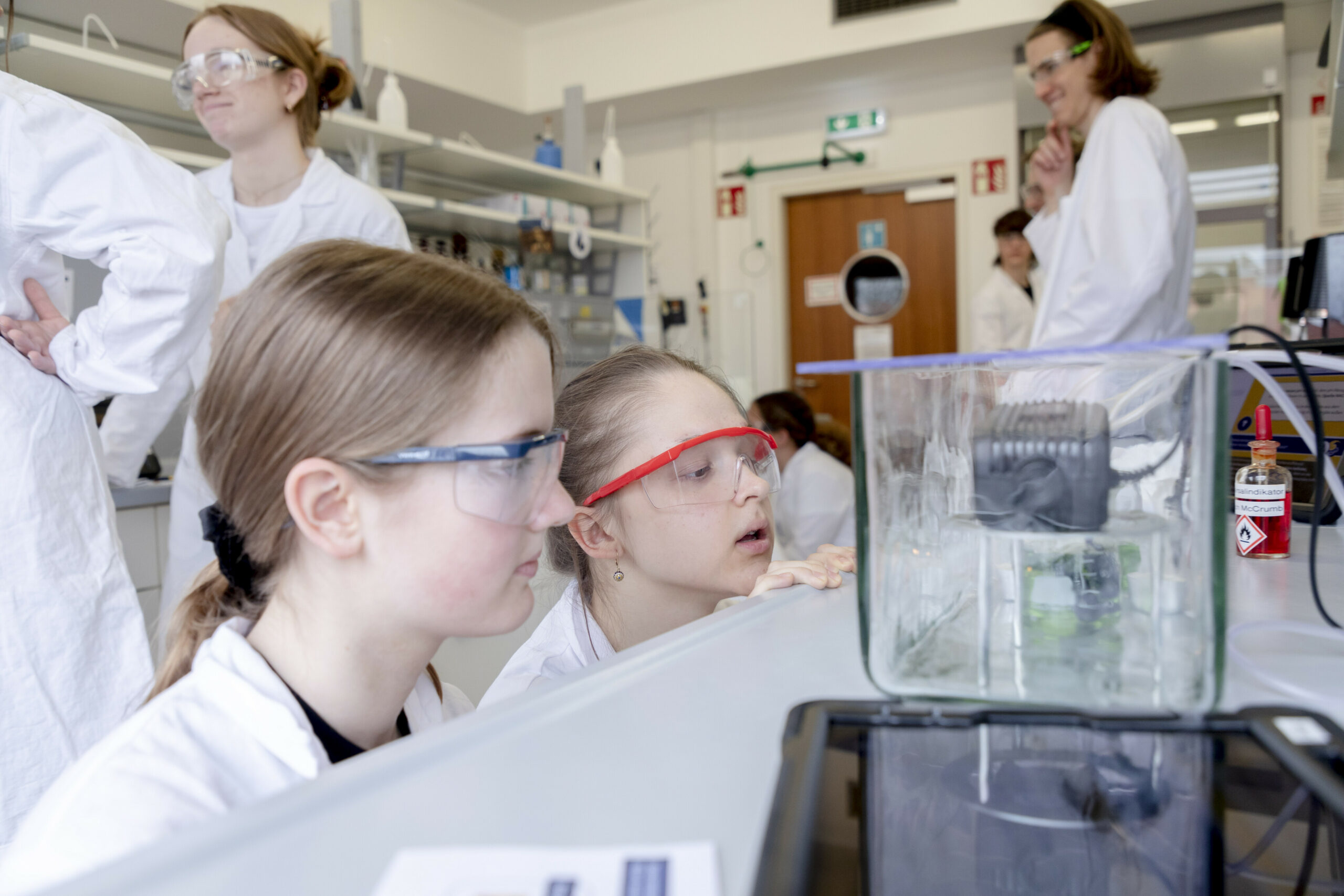 3/14
3/14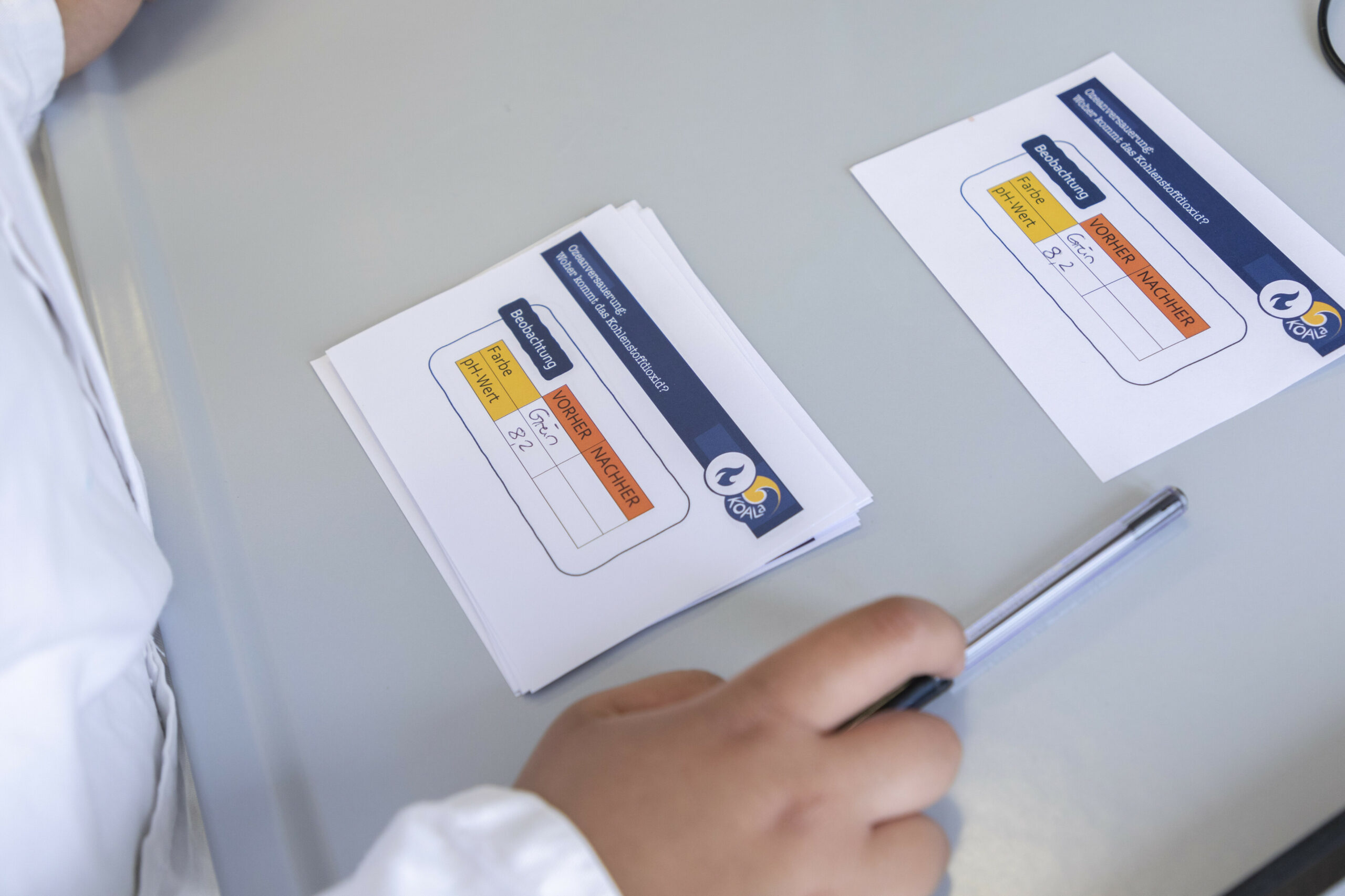 12/14
12/14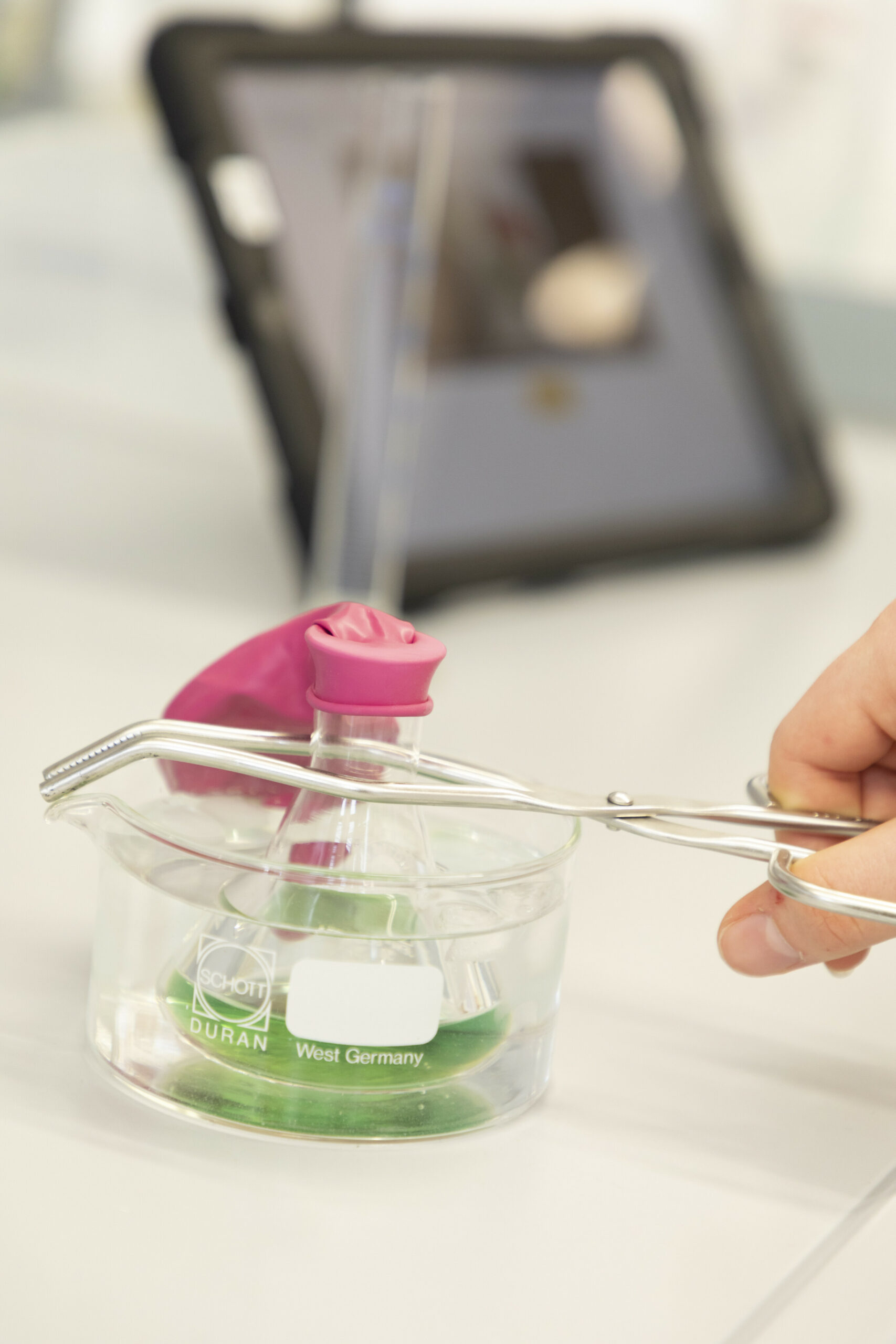 7/14
7/14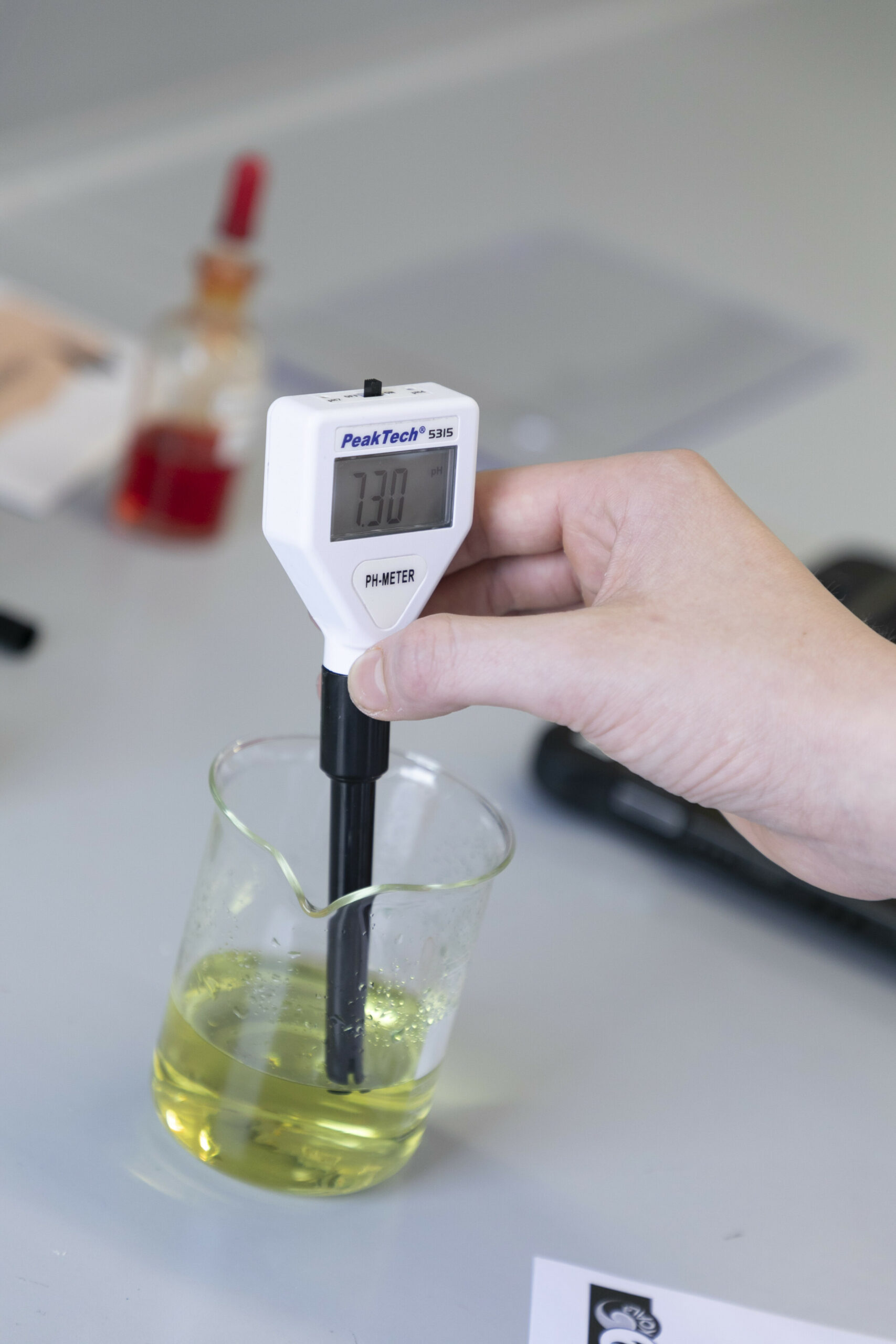 6/14
6/14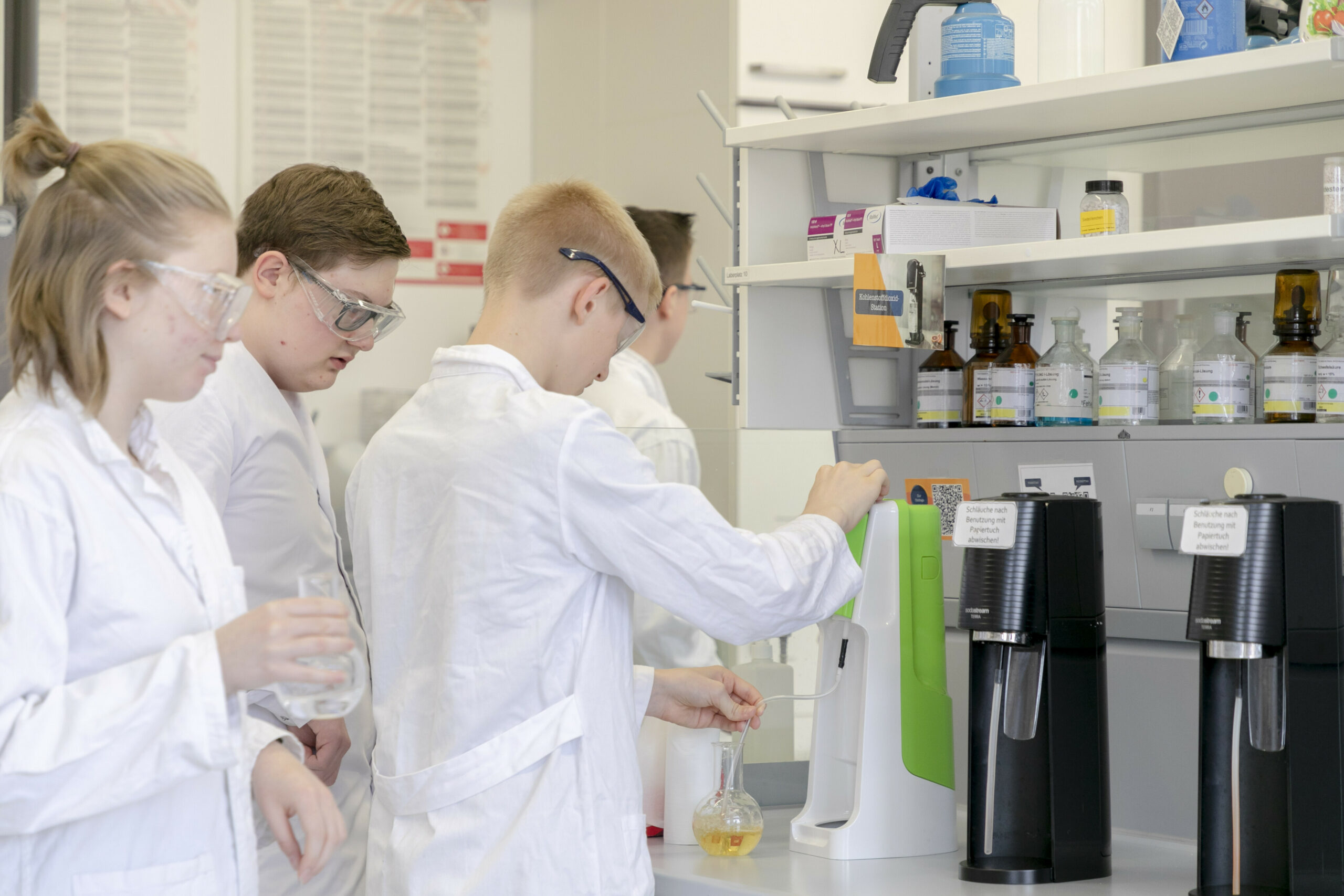 13/14
13/14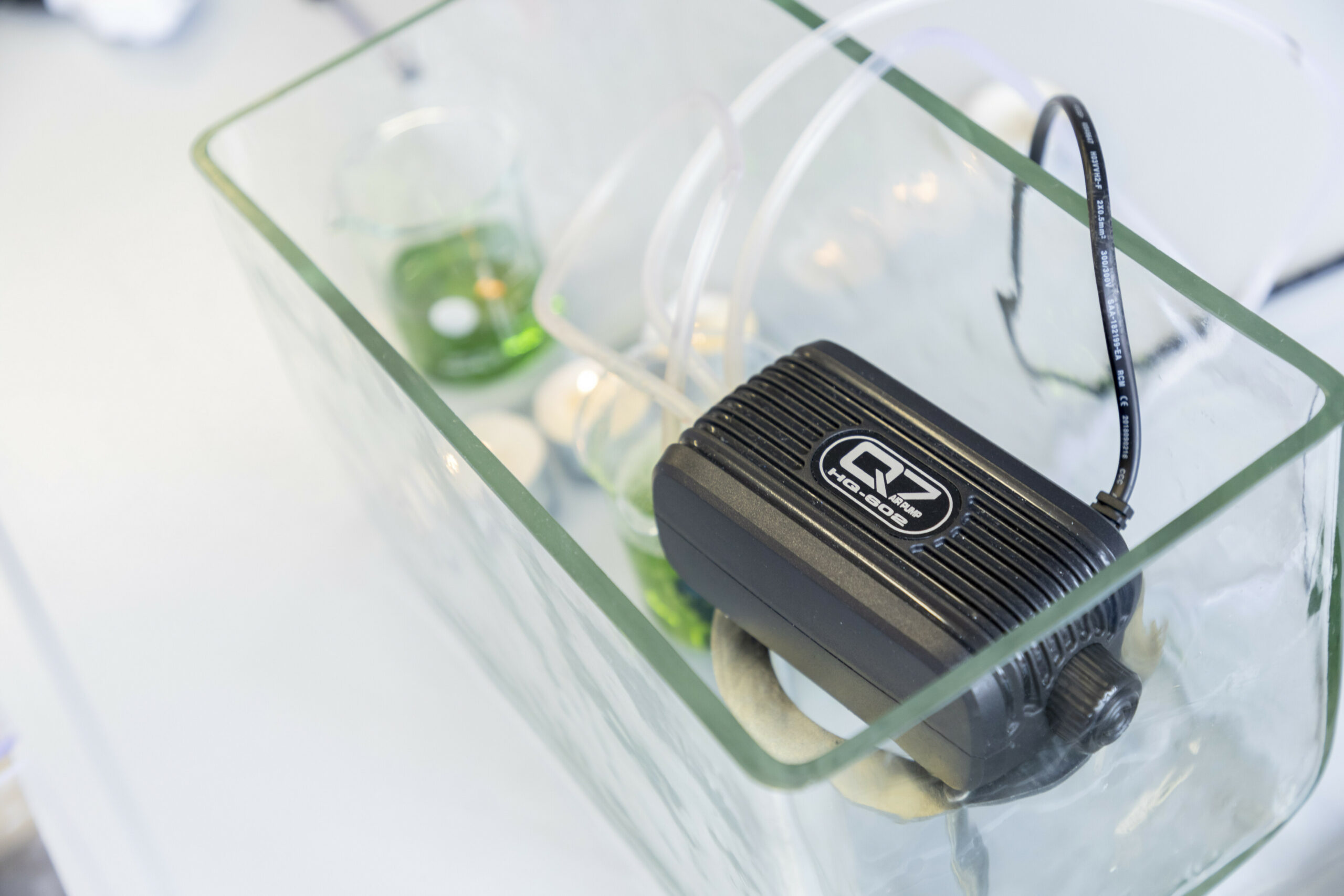 4/14
4/14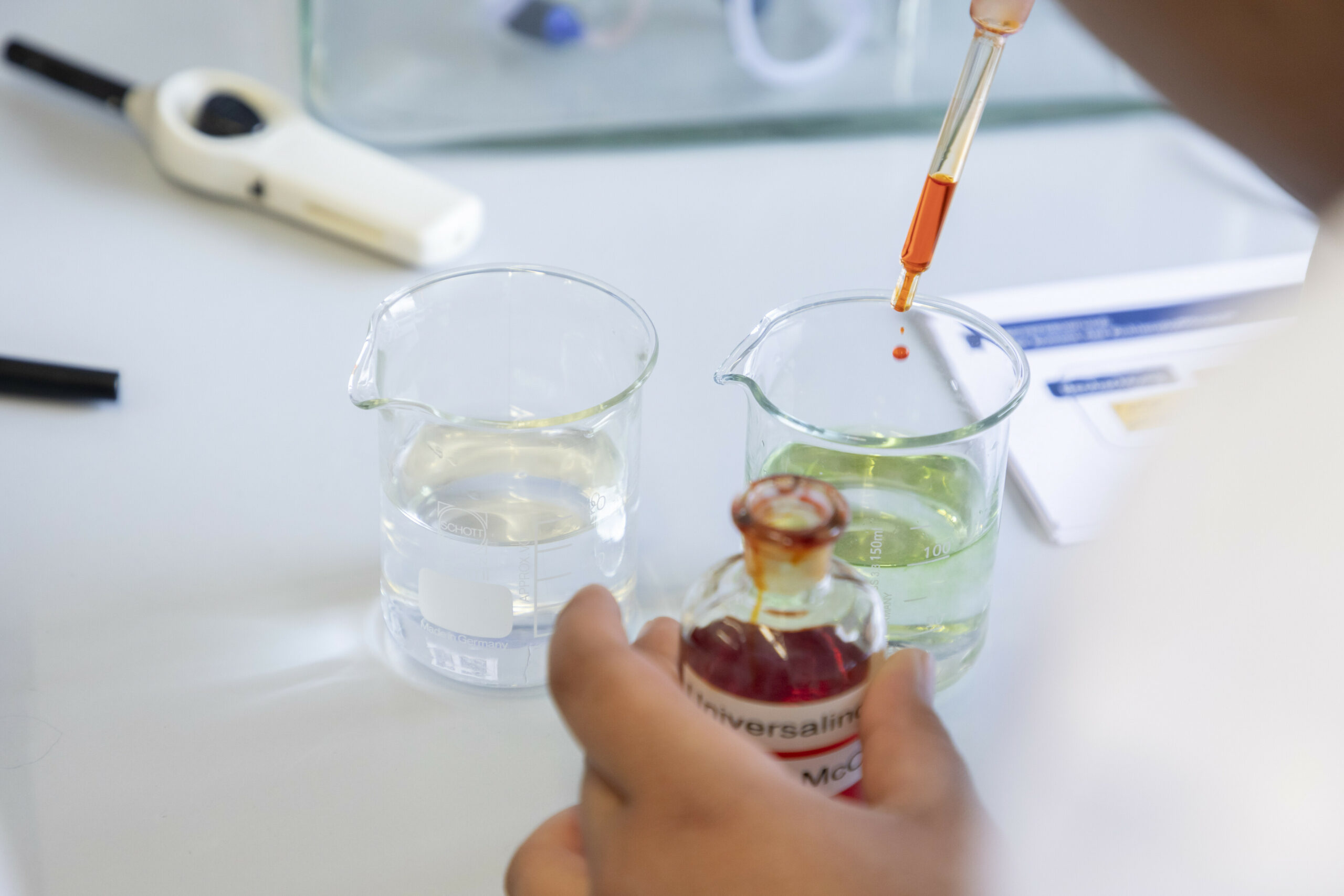 11/14
11/14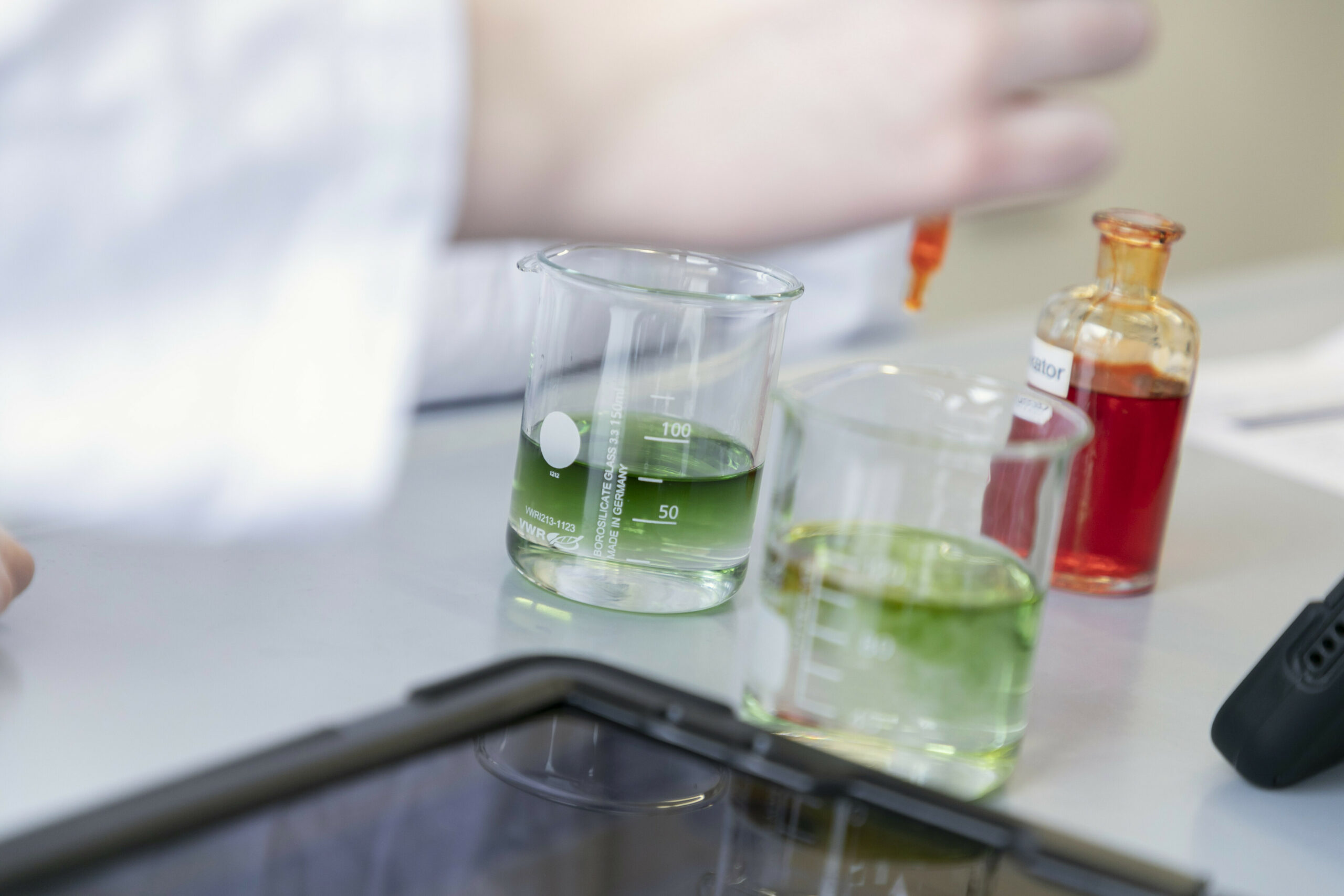 2/14
2/14© Giulia Iannicelli

As part of the Excellence Cluster Engineering of Advanced Materials (EAM), a student laboratory has been developed that covers the topics of “Nanotechnology” and the “Energy Transition.” The target group for this program is students from chemistry courses in upper secondary schools (Gymnasium) as well as from technical and vocational high schools.